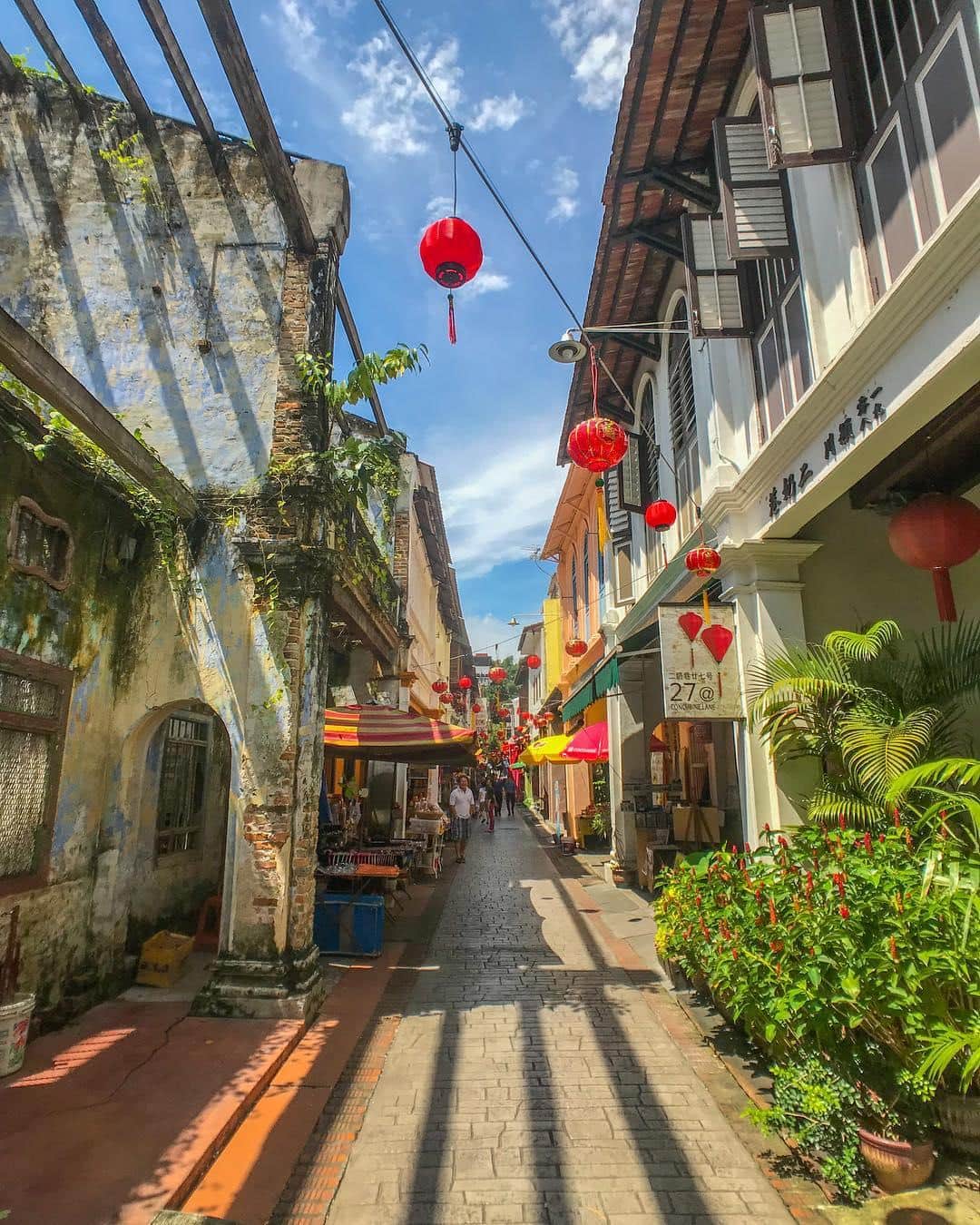
Ipoh's Old Town is one of the best-preserved colonial-era city centers in Malaysia, and the best way to experience it is on foot. The Ipoh Heritage Trail covers 27 points of interest, winding through both Old Town and New Town, and takes about two to three hours to complete depending on how many stops you make. The trail is self-guided, and you can pick up a map from the Ipoh Tourist Information Centre or simply follow the heritage plaques embedded in the sidewalks along the route.
Starting Point: Ipoh Railway Station
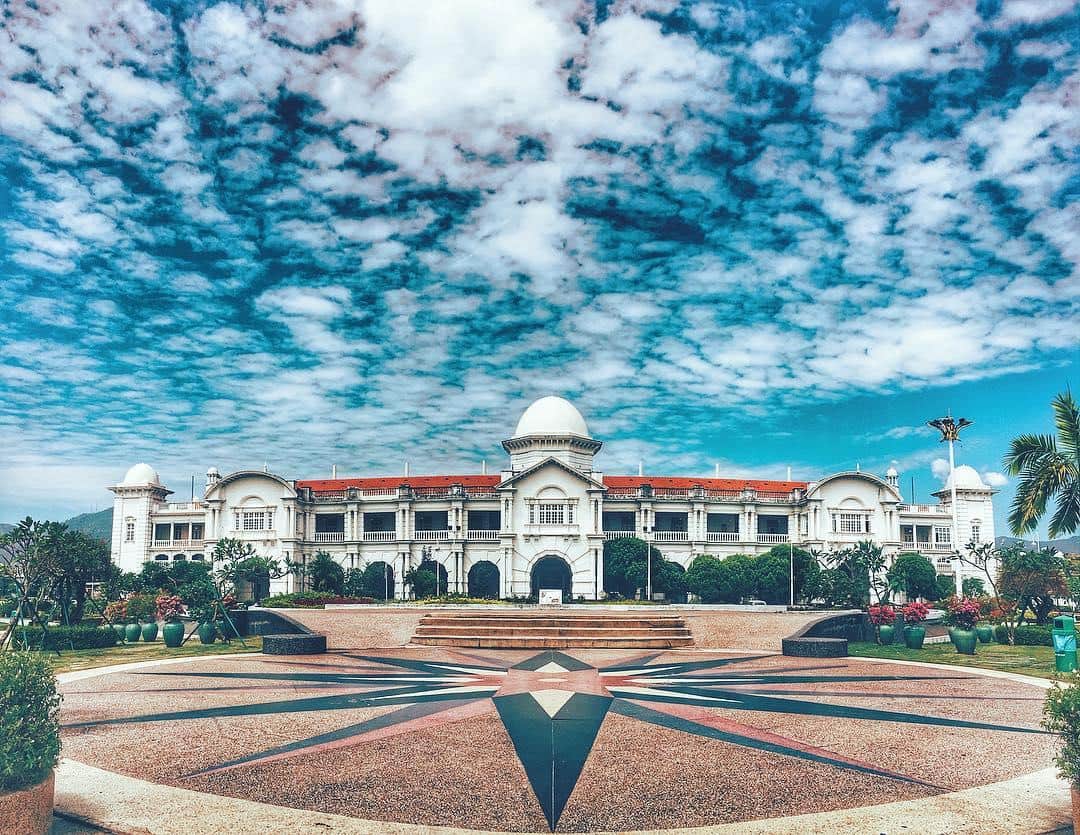
The most logical place to begin the heritage walk is at the Ipoh Railway Station, often called the "Taj Mahal of Ipoh" by locals for its grand all-white facade. Built in 1917, the station features a central dome and elaborate arches that blend colonial and traditional Malay architectural styles. The building was designed by A.B. Hubback, the same architect responsible for many of Kuala Lumpur's most distinctive colonial buildings, and it shares a family resemblance with the Kuala Lumpur Railway Station.
The station is still in operation, serving as a stop on the ETS (Electric Train Service) line that connects Ipoh to Kuala Lumpur and Penang. The front lawn, with its formal gardens and palm trees, is a popular spot for photographs. Take a moment to appreciate the scale of the building before you start walking, as it sets the tone for the architectural grandeur that defines Ipoh's colonial core.
The Birch Memorial Clocktower
From the railway station, walk north along Jalan Panglima Bukit Gantang Wahab and you'll reach the Birch Memorial Clocktower in about five minutes. Built in 1909, the square tower stands as a monument to James W. Birch, the first British Resident of Perak who was assassinated in 1875. The clocktower is notable not just for its history but for the four painted panels at its midsection, which depict the evolution of civilization from the Stone Age through to the modern era.
The panels are a curious artifact of colonial thinking, presenting a linear view of human progress that culminates in Western modernity. The figures include a Native American, an African, and an Aboriginal Australian, each representing what the colonial mind considered earlier stages of civilization. It's a reminder that heritage is complicated, and that the buildings we preserve often carry messages that are uncomfortable by modern standards. The clocktower sits in a small square surrounded by heritage shophouses, many of which have been converted into cafes and galleries.
Town Hall And Colonial Government Buildings
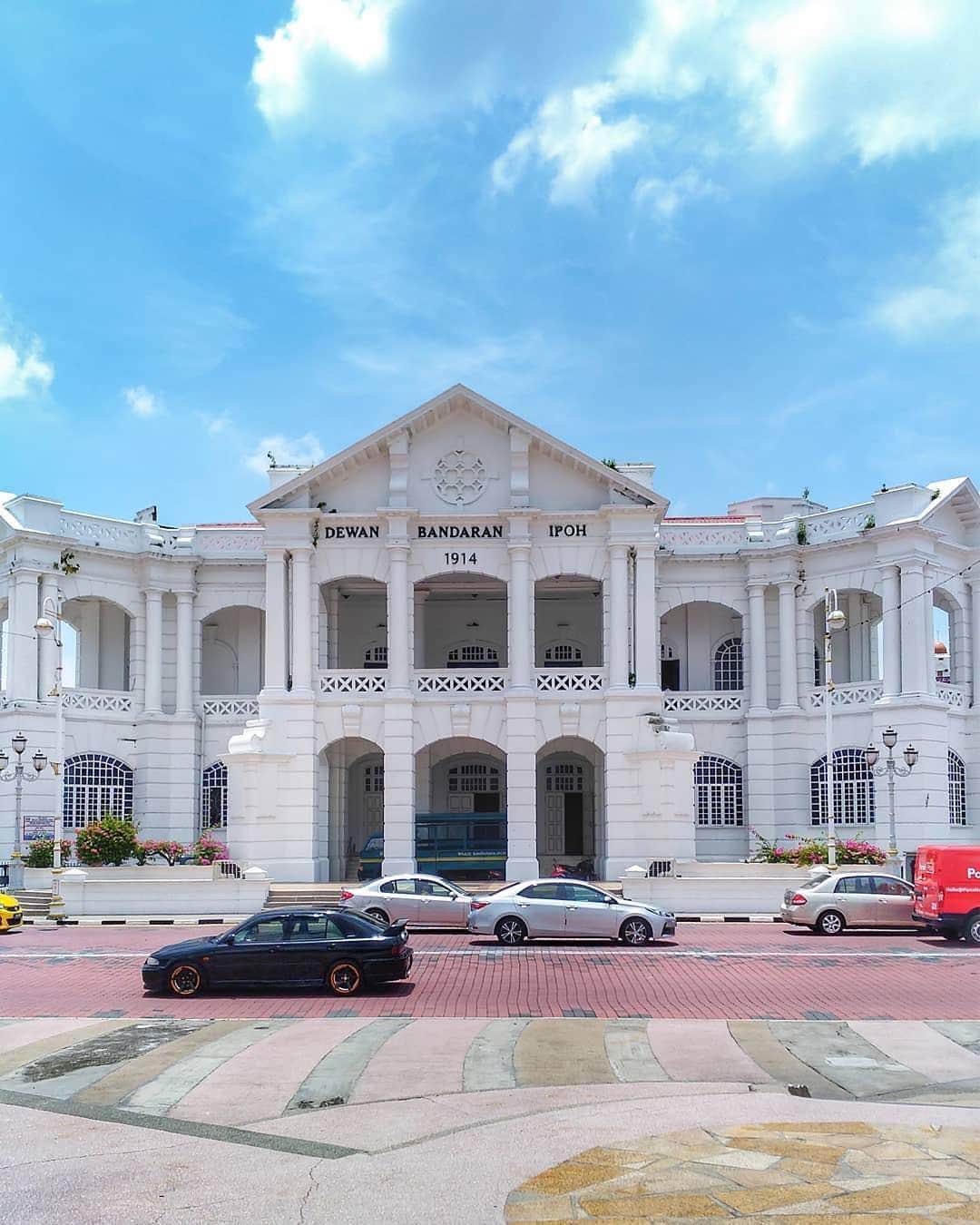
Continue along the trail and you'll reach the Dewan Bandaran Ipoh, the Ipoh Town Hall, another of A.B. Hubback's designs. The building is a gorgeous white structure with multiple European-style columns and delicate lattice work over its archways. Built in 1916, it served as the administrative center for the colonial government and is still used today for municipal functions and events. The building is not always open to the public, but the exterior alone is worth the stop.
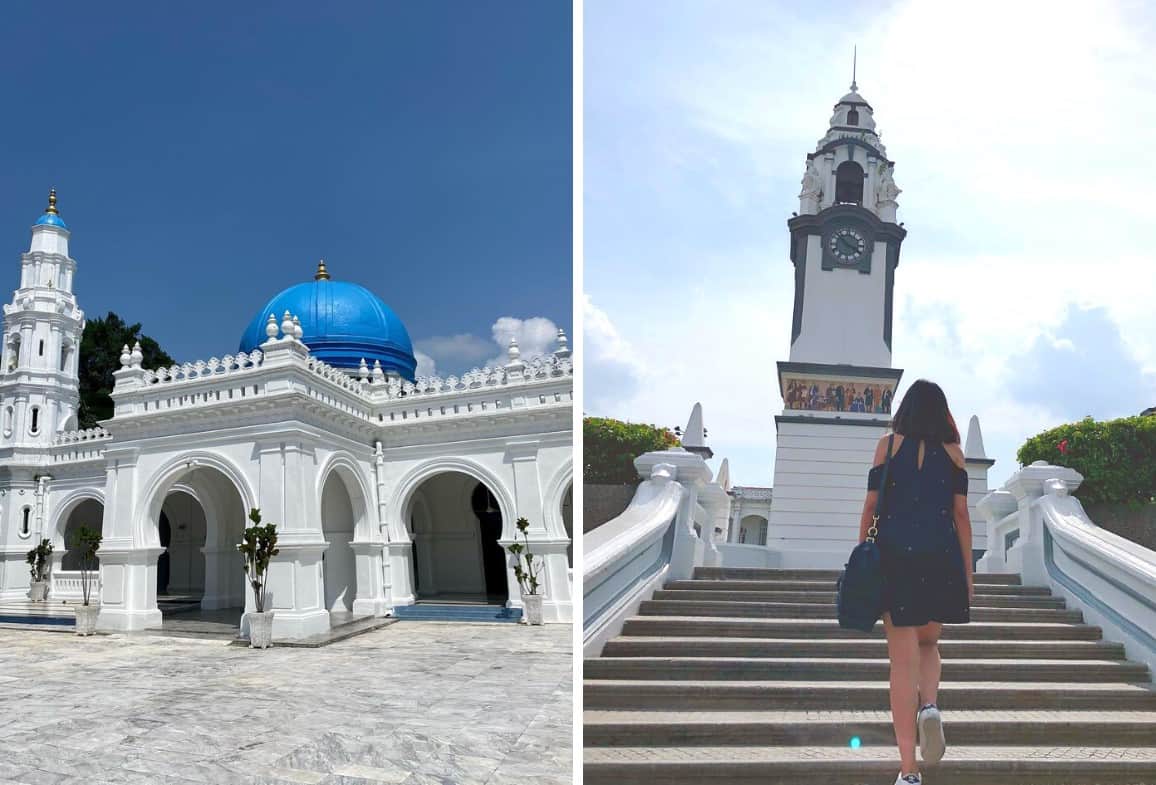
Nearby is the former Hong Kong and Shanghai Bank building, a grand neoclassical structure that now houses a restaurant. The St. Michael's Institution, a school founded in 1912 by the La Salle Brothers, is another landmark, with its distinctive white facade and symmetric design. Walk further and you'll pass the Masjid Panglima Kinta, an eye-catching mosque featuring Moorish and European architectural styles with a striking blue dome. The mosque was built in 1898 and is one of the oldest in Ipoh.
Han Chin Pet Soo Museum
One of the most rewarding stops on the heritage trail is the Han Chin Pet Soo Museum at 3, Jalan Bijeh Timah. The museum is housed in what was formerly a Hakka Tin Miners Club founded in 1893, and it offers a window into Ipoh's tin mining past. The building has been restored across three floors, with life-like dioramas and artifacts that tell the story of the Hakka immigrants who came to work the mines and the vices that accompanied the industry, including opium dens, gambling halls, and secret societies.
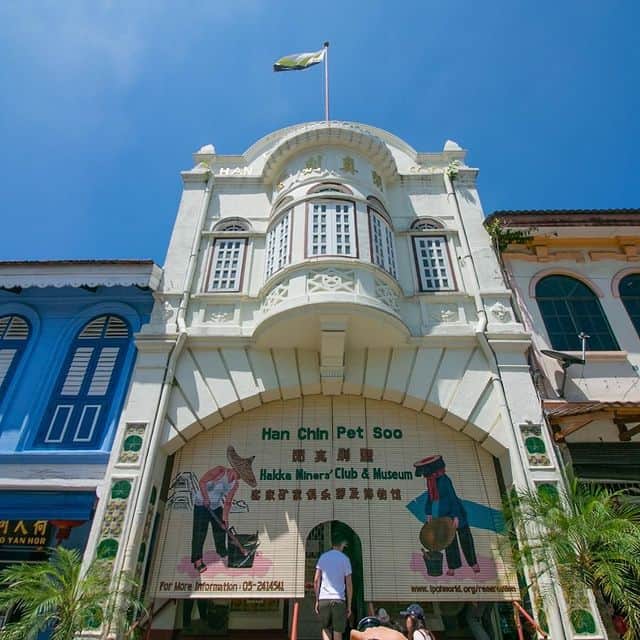
Free guided tours are offered throughout the day, and they are worth joining for the context the guides provide. You'll learn about the daily life of early Hakka settlers, the working conditions in the mines, and the social structures that governed the community. The entrance is free, but a recommended donation of RM10 goes toward preserving the museum and its building. Note that you need to reserve a time slot in advance through the Ipoh World website, as the museum limits visitor numbers to keep the experience manageable.
Muzium Darul Ridzuan
For a broader look at Perak's history, head to Muzium Darul Ridzuan on Jalan Panglima Bukit Gantang Wahab. The museum is housed in a beautiful colonial building that was once the residence of a wealthy tin miner. Exhibits cover the history of Ipoh from its founding through the tin mining boom, the Japanese occupation during World War II, and the independence era. The displays include old photographs, mining equipment, and household items from the colonial period.
The museum is smaller than you might expect, and a visit typically takes about 45 minutes. Admission is free. The building itself is a highlight, with its wide verandas, high ceilings, and original tile work. The grounds contain a few outdoor exhibits, including a old tin dredge bucket and a replica of a miner's hut. The museum is open daily except for Fridays and public holidays, from 9am to 5pm.
Practical Tips For The Walk
Start early in the morning, around 8am, to beat the heat and the crowds. The walk covers roughly 3 kilometers if you do the full loop, and much of it is on shaded sidewalks under the colonnades of the old shophouses. Wear a hat and sunscreen, and carry water, as there are long stretches between convenience stores. Most of the heritage buildings are best photographed in the morning light, when the sun is behind you and the facades are evenly lit.
Plan a coffee break halfway through the walk. Jalan Bandar Timah, which runs through the heart of Old Town, is home to the famous white coffee kopitiams including Nam Heong and Sin Yoon Loong. Stop for a cup and some kaya toast before continuing. The entire trail, with stops for coffee and the museum, can easily fill a half day, leaving the afternoon free for Concubine Lane and the rest of Old Town.