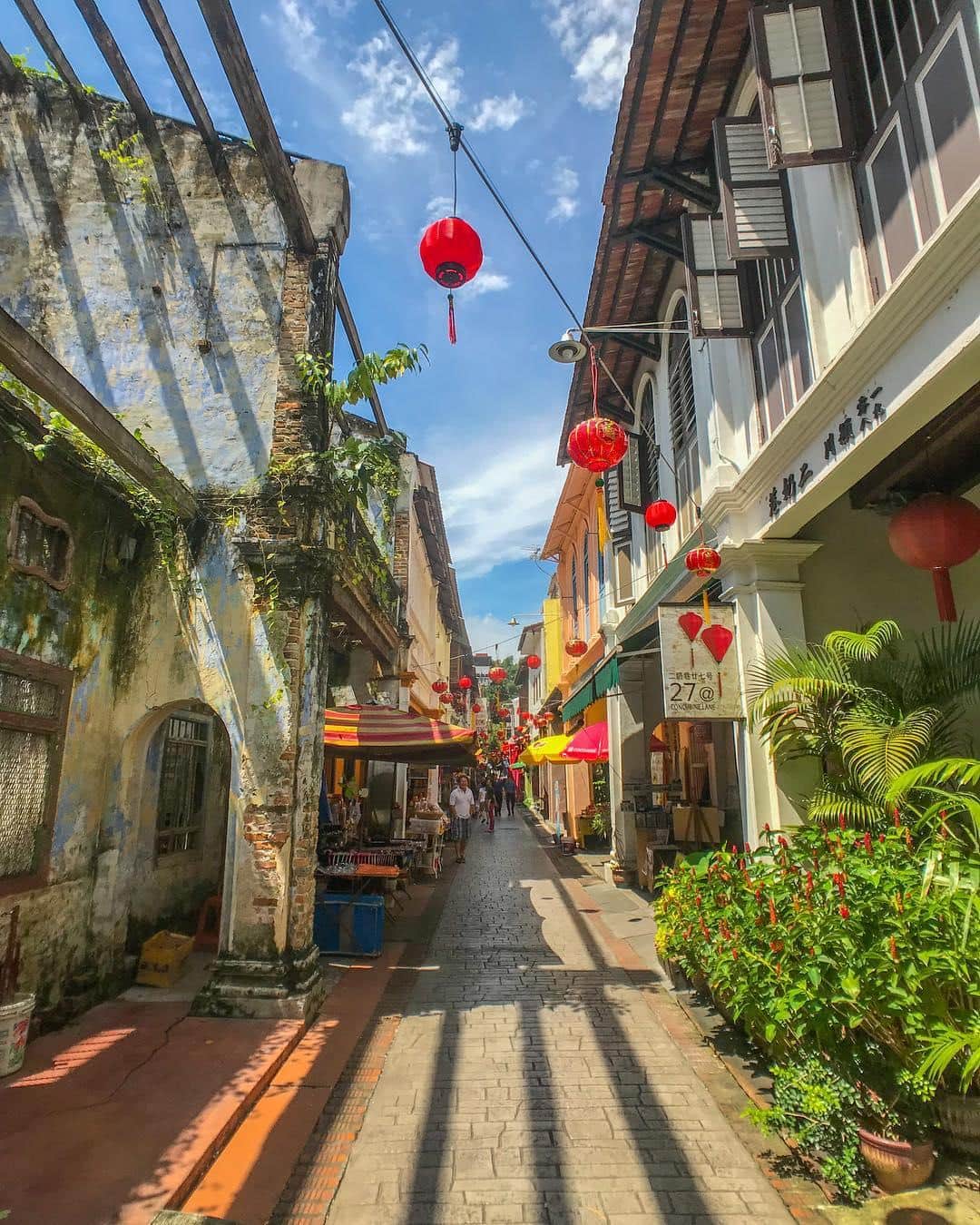
Tucked behind the colonial facades of Ipoh Old Town sits a lane so narrow that two people can barely walk side by side. Lorong Panglima, better known as Concubine Lane or Yi Ji Ban Sui, is one of the most visited spots in Ipoh, and for good reason. The lane is barely 50 meters long, but it packs in more history, food, and photo opportunities than streets ten times its size.
The Name And The Story
The name "Concubine Lane" comes from Ipoh's tin mining boom in the late 19th and early 20th centuries. During that era, Ipoh was one of the wealthiest towns in Malaya, and the Chinese tycoons and British officers who controlled the mining operations kept mistresses in the narrow lanes behind the main streets. Concubine Lane was where these women lived, discreetly housed away from the official residences on the broader boulevards.
The lane was also, by some accounts, a center for less savory activities. Opium dens and gambling halls operated openly here during the peak of the tin mining era, catering to the workers and the wealthy alike. It was a place that existed in the shadows of the grand colonial buildings just a street away, a parallel world that the official histories preferred to ignore. Today, that shadowy past has been transformed into a tourist draw, with heritage plaques and restored shophouses telling the story.
What You'll Find On The Lane
Walk into Concubine Lane today and you'll find it transformed. The old shophouses, many of which were crumbling and abandoned just a decade ago, have been restored and converted into cafes, souvenir shops, and street food stalls. The lane is lined with colorful umbrellas strung overhead, fairy lights, and hand-painted signs that make every corner a potential Instagram shot. On weekends, the lane is packed shoulder to shoulder with visitors.
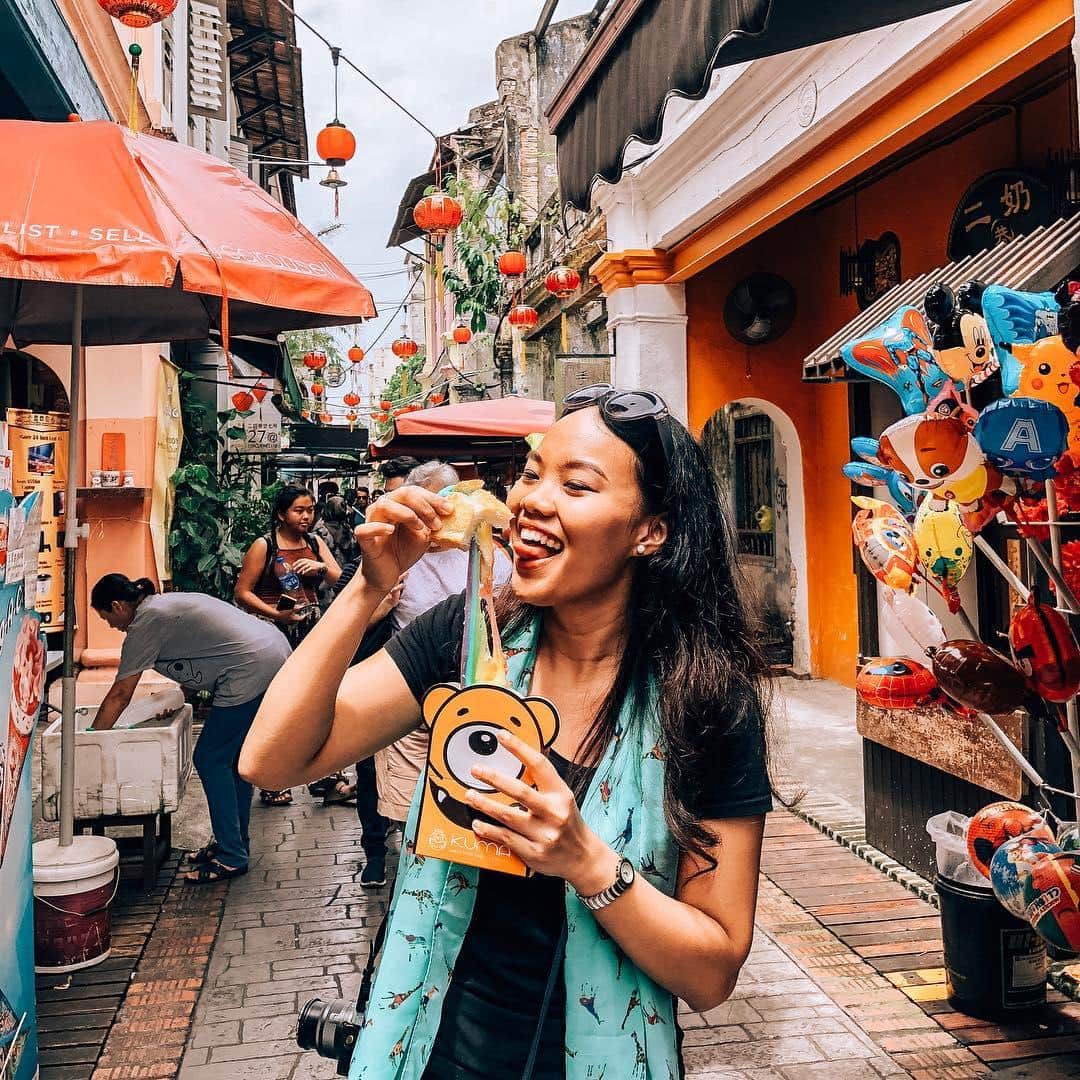
The food options here are diverse and distinctly Ipoh. Kuma Rainbow Cheese Toast serves a sandwich of cheese-filled toast that stretches to impressive heights when pulled, available in a rainbow of colors for RM13.90. Ice Cream Puffs at RM8 come in a variety of flavors, with the crisp pastry shell providing a contrast to the soft ice cream filling. For something more substantial, there are stalls selling curry puffs, apam balik, and the inevitable cups of Ipoh white coffee.
The Cafes And Hidden Corners
Beyond the street food, Concubine Lane has a growing collection of themed cafes that have made it a destination for younger visitors. Platform 9 1/2 Cafe at 22, Lorong Panglima is a Harry Potter-themed spot where you can order Butterbeer (RM6), a concoction of homemade butterscotch and sarsaparilla. The cafe provides wizard costumes and props for photos, including Hogwarts scarves and wands, making it a hit with fans of the franchise. It opens at 11am on weekdays and 10.30am on weekends.
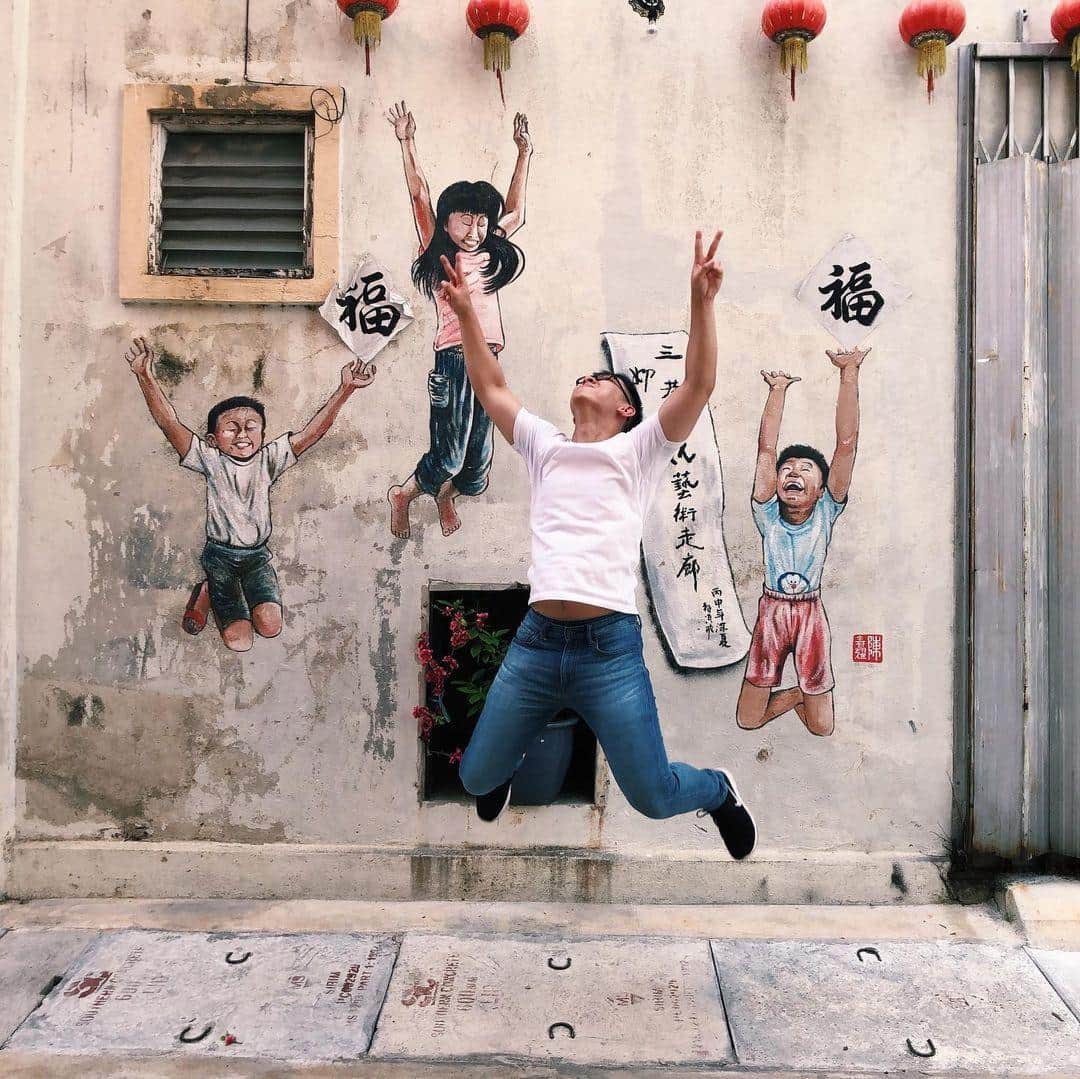
The lane also connects to a network of smaller alleys and backstreets that are worth exploring if you want to escape the crowds. Mural Art's Lane, located a short walk away on Jalan Masjid, features a collection of street art murals painted on the facades of old shophouses. Some of these are the work of Ernest Zacharevic, the Lithuania-born artist often called Malaysia's Banksy, who gained fame for his murals in Penang's George Town. The murals here depict scenes of everyday Ipoh life, from old Uncle Coffee to children playing traditional games.
The Three Lanes
Concubine Lane is actually part of a trio of lanes that make up the area's heritage core. The main lane, Lorong Panglima, is the one most visitors know. But there are two others: Market Lane (Lorong Pasar) and Hale Lane, which historically housed the second and third wives, as the story goes. The three lanes were developed together during the tin mining era and each had its own character. Today, Market Lane has been revitalized with colorful lighting and a mix of cafes, while Hale Lane remains quieter and more residential.
Walking all three lanes takes about 30 minutes if you stop to browse, though most visitors spend the bulk of their time on Lorong Panglima itself. The lanes are connected by small cross-alleys, so you can loop through rather than backtracking. Look up as you walk, as many of the upper-floor shophouse facades retain their original wooden shutters and tile work, offering a glimpse of what the area looked like in its early 20th century heyday.
Birch Memorial Clocktower And Nearby Attractions
A two-minute walk from Concubine Lane brings you to the Birch Memorial Clocktower, one of Ipoh's most recognizable landmarks. Built in 1909, the clocktower stands as a monument to James W. Birch, the first British Resident of Perak, though its design is more interesting than its purpose. Four panels at the clock's midsection depict the evolution of civilization, from the Stone Age to modernity, making it a curious piece of colonial-era didactic art.
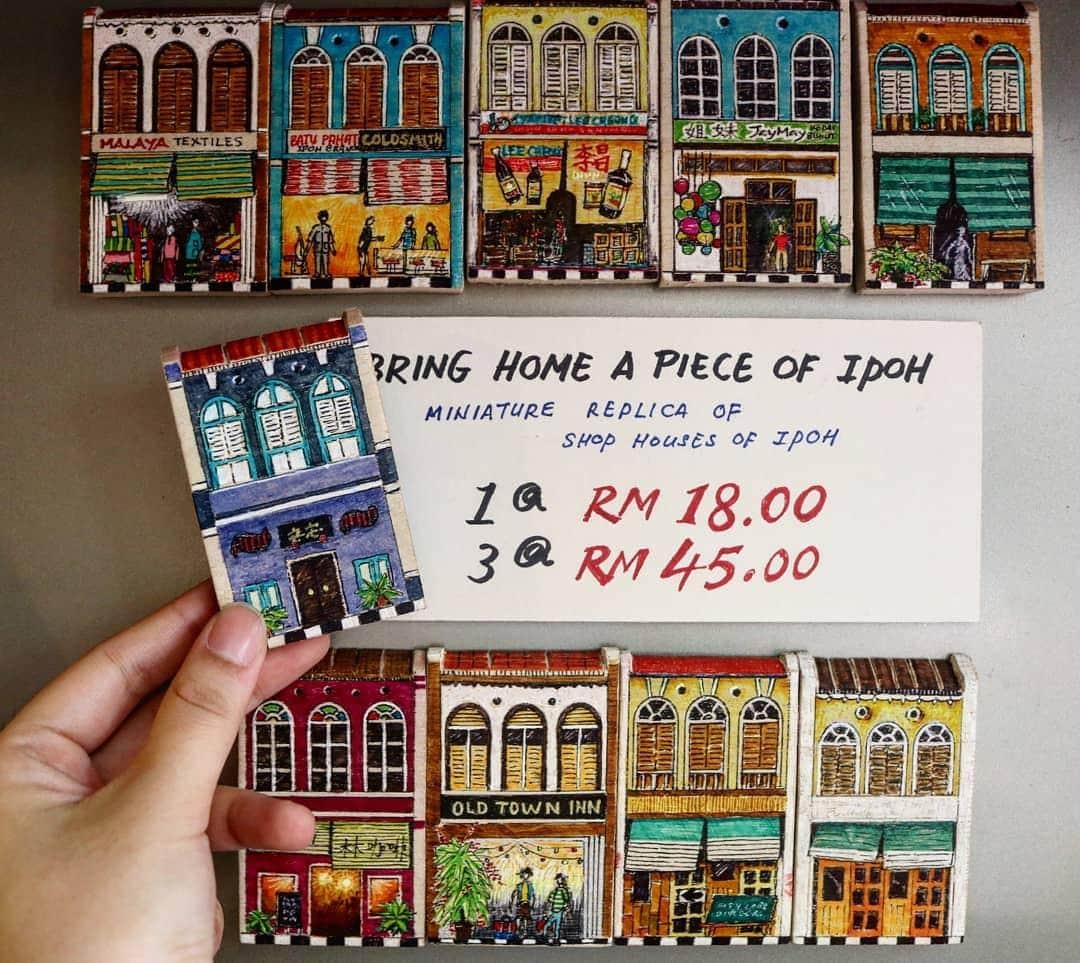
Near the clocktower you'll find Kong Heng Square Market at 75A, Jalan Bandar Timah, a brick building housing local artisan stalls selling handmade keychains, miniature shophouse replicas, and other Ipoh-themed souvenirs. The market is open daily from 10am to 5pm. Just around the corner is BookXcess Kong Heng, a bookstore housed in a restored heritage building that also contains the Yasmin Ahmad Museum, a free gallery dedicated to the late Malaysian filmmaker.
Visiting Tips
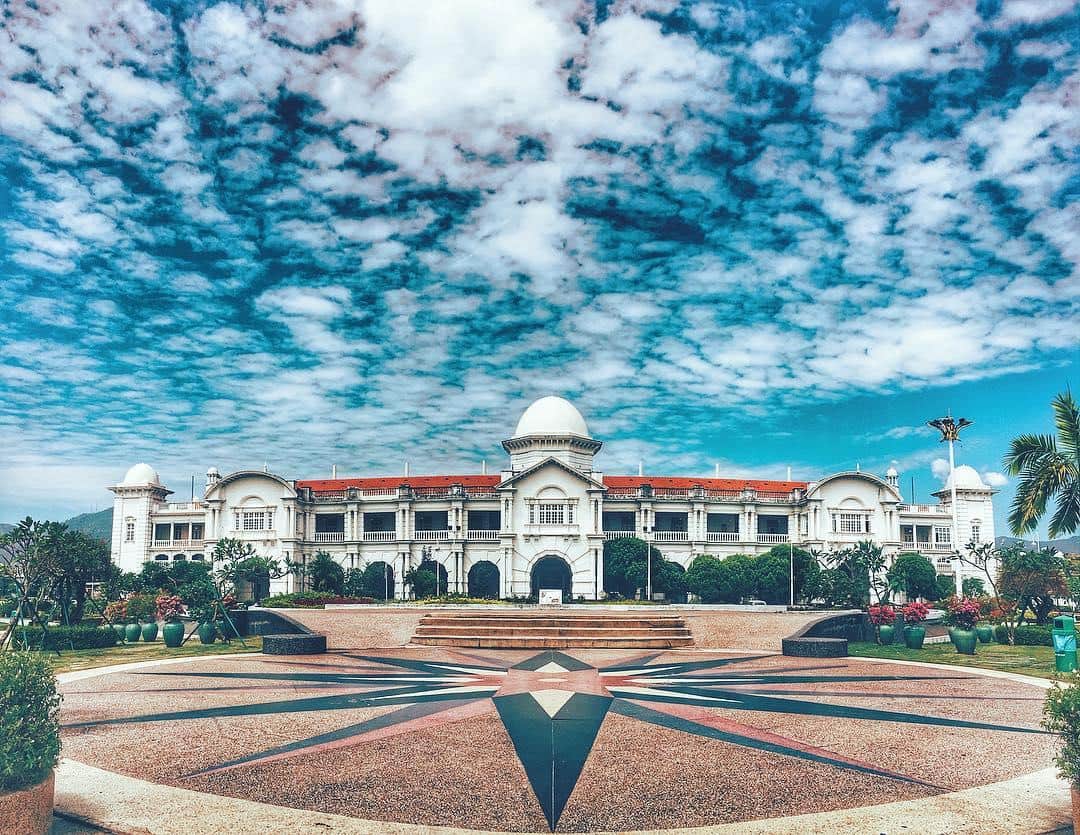
Concubine Lane is open 24 hours, but the shops and food stalls typically operate from around 10am to 6pm. The best time to visit is on a weekday morning, when the crowds are thinner and you can actually move through the lane without queuing. Weekends and public holidays bring heavy foot traffic, and the narrow lane can become uncomfortably packed. Parking in the area is limited, so consider taking a Grab or walking from the Ipoh Railway Station, which is about a 10-minute stroll away.
Bring cash, as many of the smaller stalls don't accept cards or e-wallets. Wear comfortable shoes, as the lane is paved with uneven stones that can be slippery when wet. And if you're planning to photograph the lane, the golden hour just before sunset offers the best light, with the fairy lights and lanterns beginning to glow as the sky darkens behind the shophouse rooftops.