Ask any Malaysian where to find the best white coffee and they'll point you to Ipoh. The drink is so woven into the city's identity that entire kopitiams have built their reputations on a single cup, and locals will happily debate the merits of one shophouse over another for hours. What makes Ipoh white coffee different isn't just marketing. It's a roasting technique that dates back to the 1950s, when Hainanese immigrants adapted their traditional coffee methods to local ingredients.
What Makes It "White"
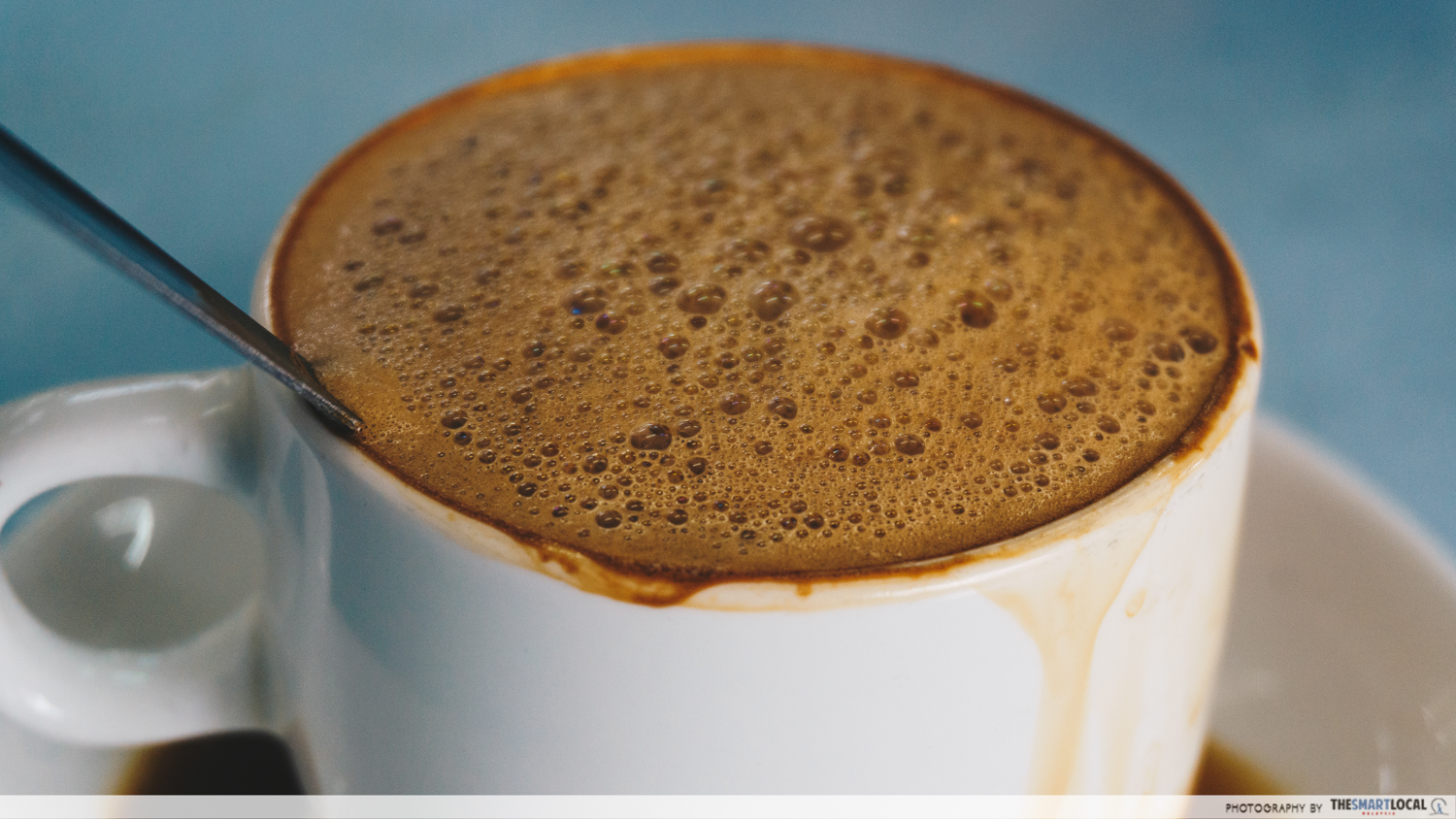
The name is misleading. White coffee isn't actually white. It's a light brown brew served in a small cup, often with a thick layer of foam on top. The "white" refers to the roasting process, where coffee beans are roasted with palm oil margarine instead of the sugar and margarine blend used in traditional black coffee. This produces a lighter roast with a smoother, almost caramel-like flavor and none of the harsh bitterness you'd find in regular kopi O. Add condensed milk and you get the creamy, sweet cup that has become Ipoh's signature.
The beans are typically a blend of Arabica, Robusta, and Liberica, roasted at a lower temperature for a longer time. The palm oil margarine coats the beans, sealing in flavor while preventing scorching. It's a technique that sounds simple but takes years to master, which is why the oldest kopitiams in Ipoh still draw crowds decades after they first opened.
Nam Heong Coffee Shop (Since 1958)
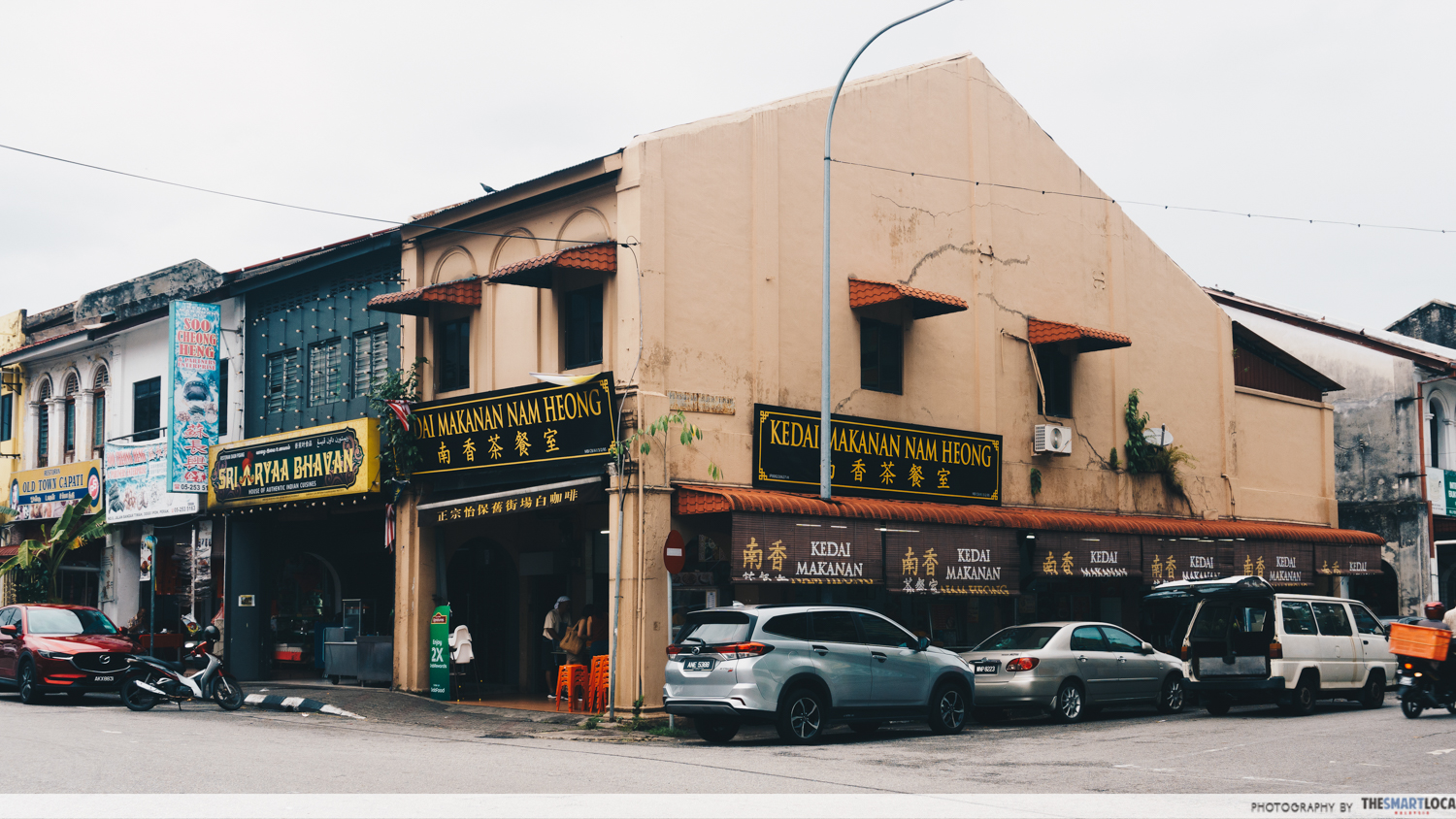
If there's one name synonymous with Ipoh white coffee, it's Nam Heong. Located at 2, Jalan Bandar Timah, this kopitiam has been serving white coffee since 1958 and is widely credited as the birthplace of the city's white coffee culture. The founders perfected the palm oil margarine roast, creating a brew that is thick, smooth, and frothed to a luxurious consistency. A cup costs RM2.40, which is remarkable value for what many consider the benchmark of Ipoh white coffee.
Nam Heong is also the inspiration behind the Old Town White Coffee chain, which has since expanded to over 200 outlets across Malaysia and beyond. But ask any Ipoh local and they'll tell you the original kopitiam on Jalan Bandar Timah is where the magic happens. The foam here is particularly noteworthy, dense and velvety, with a bold aroma that hits you the moment the cup reaches your table.
Sin Yoon Loong (Since 1937)
Just a few doors down from Nam Heong sits Sin Yoon Loong at 15A, Jalan Bandar Timah. This Hainanese kopitiam has been operating since 1937, giving it over 80 years of coffee-making experience. Sin Yoon Loong is known for its traditional approach, roasting beans in small batches using the same margarine method that defined the original Ipoh white coffee. The result is a brew with a deep roasted depth and a thick, almost syrupy texture.
Beyond the coffee, Sin Yoon Loong is famous for its roti bakar, toasted bread with a crisp exterior that pairs perfectly with butter and kaya. Order the soft-boiled eggs alongside your coffee and you have the quintessential Ipoh breakfast, all for under RM5. The kopitiam opens at 6.30am and closes by 2.30pm, so it's strictly a morning affair.
Chang Jiang Coffee Shop (Since 1995)
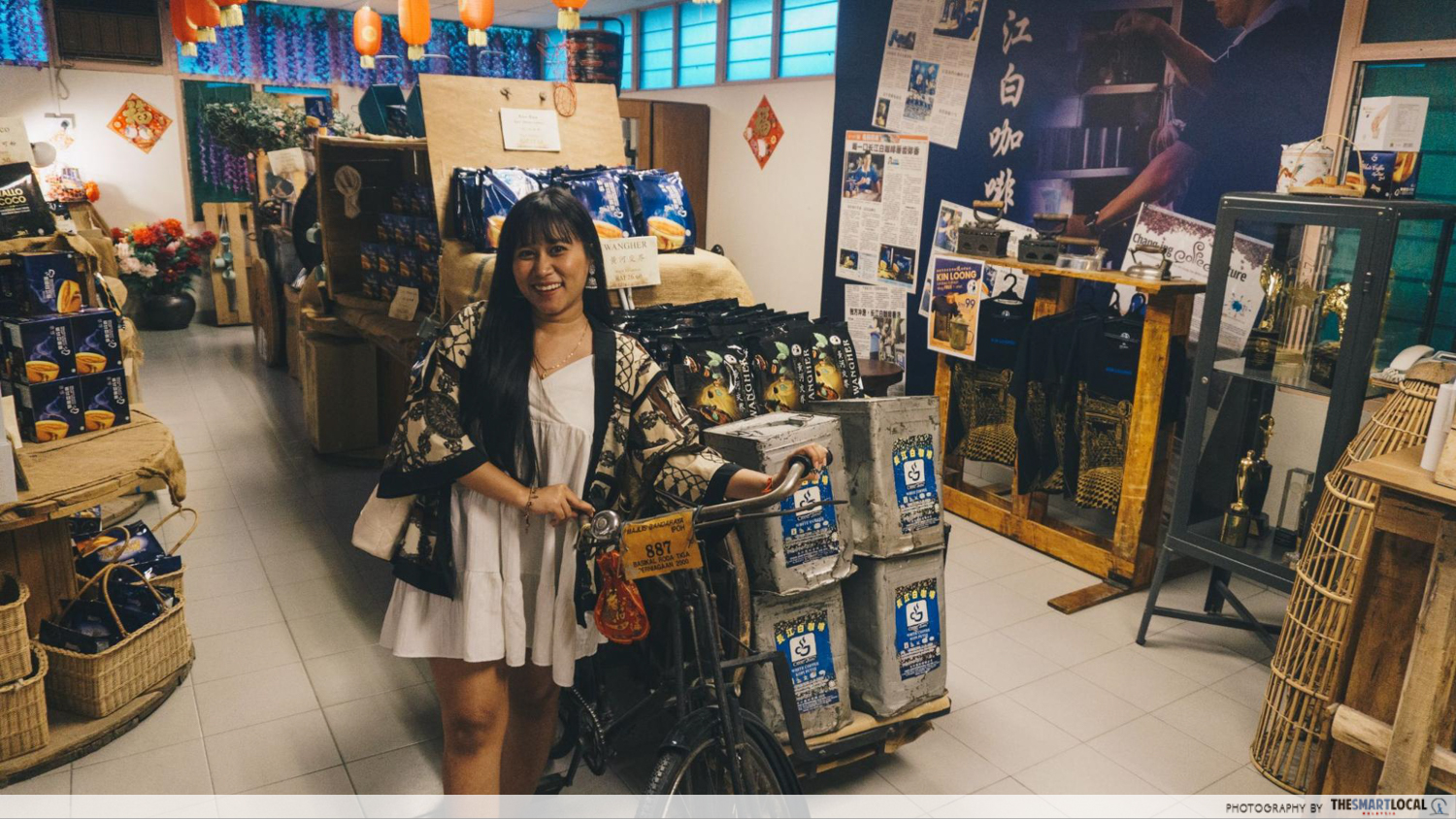
Chang Jiang at 7, Jalan Windsor is the newer entrant compared to the old-timers, having opened in 1995, but it has earned a fiercely loyal following. The beans here are roasted using the shop's signature margarine method, producing a brew with a bold, buttery flavor and a smooth finish. The froth is particularly distinctive, forming a bubbly mound on top of the cup that adds to the texture. A cup costs RM5.20.
Chang Jiang is often cited by locals as the best all-round white coffee spot in Ipoh. The ambience is more inviting than the older kopitiams, with comfortable seating and a relaxed atmosphere that encourages you to linger. The Kin Loong Valley location also offers a scenic backdrop, making it a favorite for both coffee purists and casual visitors.
Sun Yuan Foong And The kopitiam Rivalry
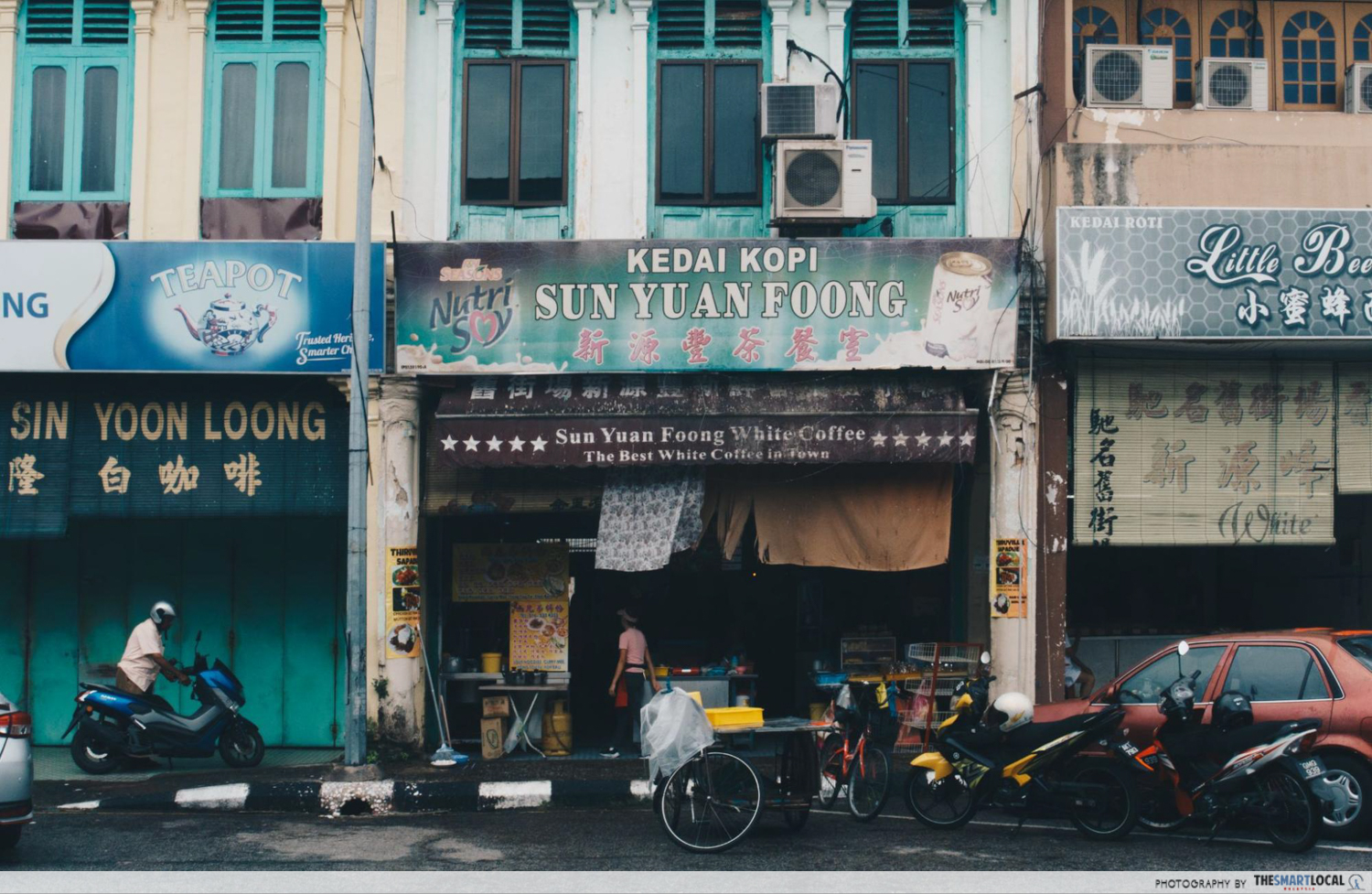
Directly across the street from Nam Heong sits Sun Yuan Foong Kopitiam at 11, Jalan Bandar Timah. Operating since 1937, it proudly claims to serve the "best white coffee" on a banner over its entrance. The rivalry between these two establishments is legendary, with locals divided on which serves the superior cup. Sun Yuan Foong's version is smoother and sweeter, with a lighter roast that appeals to those who prefer a milder brew. At RM2.40 a cup, it's the same price as Nam Heong.
The truth is, there's no wrong choice on Jalan Bandar Timah. Every kopitiam in this stretch has spent decades perfecting its own roast, and the differences are subtle but distinct. Some prefer the bold intensity of Nam Heong, others the sweetness of Sun Yuan Foong, and still others the buttery depth of Chang Jiang. The only way to find your favorite is to try them all.
What To Expect When You Visit
Most kopitiams in Ipoh Old Town open early, around 6.30am or 7am, and close by mid-afternoon. White coffee typically costs between RM2.40 and RM5.90 per cup, depending on the establishment. The traditional way to order is "kopi putih" for the classic brew with condensed milk, or "kopi O putih" if you want it black with sugar. Don't expect fancy latte art or elaborate menus. These are old-school coffee shops that have been doing one thing exceptionally well for generations.
Pair your coffee with kaya toast, soft-boiled eggs, or one of the many hawker dishes available at the kopitiams. The combination of bitter-sweet coffee and savory breakfast is what mornings in Ipoh are all about. It's a ritual that hasn't changed much in 70 years, and that's exactly how the locals like it.